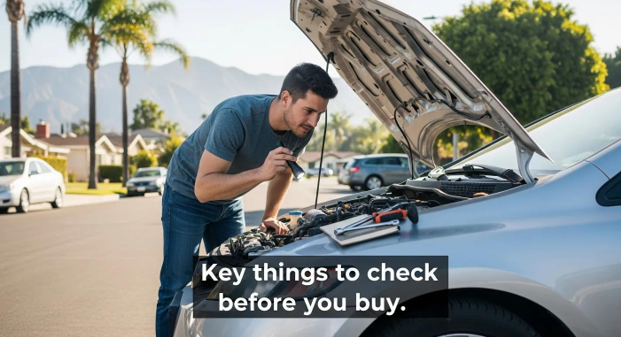
A careful, consistent inspection helps you spot problems early. Follow this order so you don’t miss anything important.
Which Vehicle Components to Include in Your Inspection
Inspect each of these areas before making an offer:
- Engine: Look for leaks, listen for odd noises, and note excessive grime.
- Brakes: Check pad thickness, rotor condition, and brake response.
- Tires: Measure tread depth and look for uneven wear that suggests alignment issues.
- Suspension & steering: Drive at low speed to check for pulling, clunks, or roughness.
- Lights & electrical: Test headlights, signals, interior lights, and power accessories.
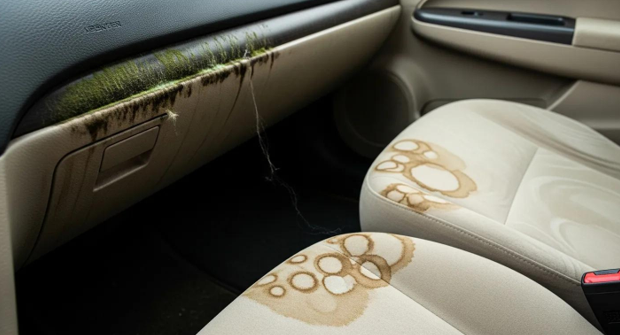
- Interior & exterior: Scan for damage, mismatched paint, or evidence of repair work.
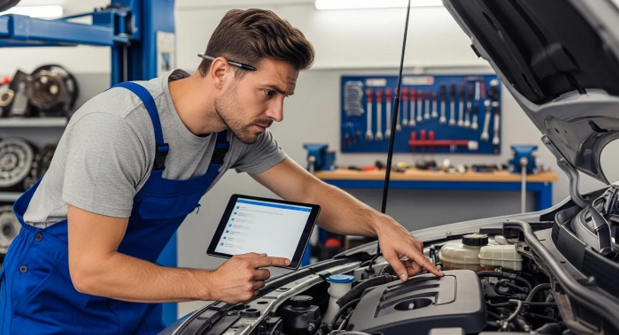
Take notes and photos. If anything seems off, get a certified mechanic to do a full pre-purchase inspection.
How a Certified Pre-purchase Inspection Protects You
A certified inspection by a qualified mechanic uncovers hidden problems and gives you leverage to negotiate. It can reveal safety issues, costly repairs, or reasons to walk away. In short: it’s a small cost that can save you thousands.
Financing Options for Used Car Buyers in the San Fernando Valley
Financing makes buying easier for many shoppers. There are options for different credit profiles and budgets — know the basics before you apply.
Applying for Financing with Low or Bad Credit
If your credit isn’t perfect, you still have choices. Many dealerships work with lenders who handle higher-risk loans. Steps to improve your outcome:
- Research lenders: Find lenders or programs that specialize in subprime loans.
- Gather paperwork: Bring pay stubs, ID, and proof of residence to speed approval.
- Negotiate: Compare offers and ask about interest rates, down payment options, and term length.
Be realistic about monthly payments. A longer term lowers payments but increases total interest paid.
How to Complete an Online Financing Application
Applying online is quick and convenient. Typical steps:
- Open the lender’s portal: Start on the lender or dealer website.
- Fill in accurate details: Income, employment, and personal info must be correct.
- Submit and wait: Lenders will review and respond with pre-approval or follow-up questions.
Pre-approval helps you shop with confidence and negotiate from a stronger position.
Local Regulations and Buyer Protections in the San Fernando Valley
Knowing local laws helps you avoid surprises. California has several protections and requirements for used-car sales — make sure the dealer follows them.
How Local Laws Affect Used Car Inspections and Sales
In California, most used cars must pass a smog check before transfer, and dealers must disclose a vehicle’s history and title status. The California Lemon Law and other consumer protections can apply in certain cases, especially when a vehicle is sold with a warranty. While private-party sales don’t always require a formal safety inspection, reputable dealerships will ensure vehicles meet safety and emissions standards. Always ask for proof of inspections and disclosures before you buy.
Consumer protections are especially important for buyers who may be more vulnerable to misrepresentation or poor-value deals.
Consumer Protection & Disclosure in Used Car Markets
Research on used car markets shows lower-income buyers often pay more and receive less redress for defects after purchase. Even when comparing similar cars, the study found poorer buyers were more likely to feel misled and less likely to get fair remedies — underlining the need for clear disclosures and informed buying.
Common Warranty and Return Practices in the San Fernando Valley
Dealership policies vary, but common protections include:
- Limited warranties: Short-term coverage for certain systems, often 30–90 days or a set mileage.
- Return or exchange options: California doesn’t require a return policy, but some dealers offer limited windows or exchange programs.
Always read the warranty paperwork and ask what’s covered, for how long, and any customer responsibilities.
| Engine |
Leaks, strange noises |
Critical for reliability |
| Brakes |
Pad life, rotor condition |
Essential for safety |
| Tires |
Tread depth, wear patterns |
Affects handling and safety |
This table highlights the top systems to check during a pre-purchase inspection. Prioritize safety and drivability when deciding on a car.
Being prepared makes the used-car process easier. Use this checklist, check financing options, and verify local rules — that combination helps you buy with confidence.
If you're shopping now, consider browsing our used inventory at Brothers Motors Corp.
If credit is a concern, starting by applying for financing online can speed the process.
Learn more about Brothers Motors Corp and the services we offer on our main site.
Questions? Reach out any time via our contact page — we’re here to help.
Frequently Asked Questions
What should I do if I find signs of flood or heat damage during my inspection?
Stop and document everything: photos, notes, and questions for the seller. Ask for a certified mechanic’s opinion before proceeding. If the damage is minor you may negotiate repairs or a lower price. If the damage is extensive, it’s usually safer to walk away.
How can I ensure the used car I’m buying has a clean title?
Request a vehicle history report from Carfax, AutoCheck, or NMVTIS, and compare the VIN on the report to the VIN on the car and title. You can also check title status with the DMV. Never complete a purchase without confirming the title is clean and matches the vehicle.
What are the benefits of getting a certified pre-purchase inspection?
A certified inspection provides a professional assessment of the car’s condition, uncovers hidden issues, and gives you leverage to negotiate repairs or price adjustments. It’s a small upfront cost that can prevent expensive surprises later.
Are there any financing options for first-time buyers in the San Fernando Valley?
Yes. Many dealers and lenders offer programs for first-time buyers with lower down payments and flexible terms. Credit unions and banks also sometimes have beginner-friendly loans. Shop around and consider getting pre-approved to understand your budget before you shop.
What should I know about the California Lemon Law when buying a used car?
The California Lemon Law mainly covers new cars but can apply to used cars still under manufacturer warranty. If a dealer can’t fix a covered defect after a reasonable number of attempts, you may be eligible for a refund or replacement. Keep repair records and all communications to support your case.
How can I protect myself from scams when buying a used car?
Do your homework: check the vehicle history, verify the seller, and read reviews. Avoid deals that seem too good to be true. Always inspect the car in daylight, meet in a public place, and get a pre-purchase inspection. Trust your instincts — if something feels off, step back.
Conclusion
Buying a used car in the San Fernando Valley doesn’t have to be stressful. Use this inspection checklist, check vehicle history, understand your financing options, and confirm local protections. When you shop informed, you’ll find a reliable car that fits your needs. Ready to start? Browse our inventory and let us help you find the right vehicle today.