Auto insurance is a major ongoing expense. Understanding what drives premiums helps you find coverage that balances protection and price.
What Factors Influence Auto Insurance Rates for Used Cars in LA?
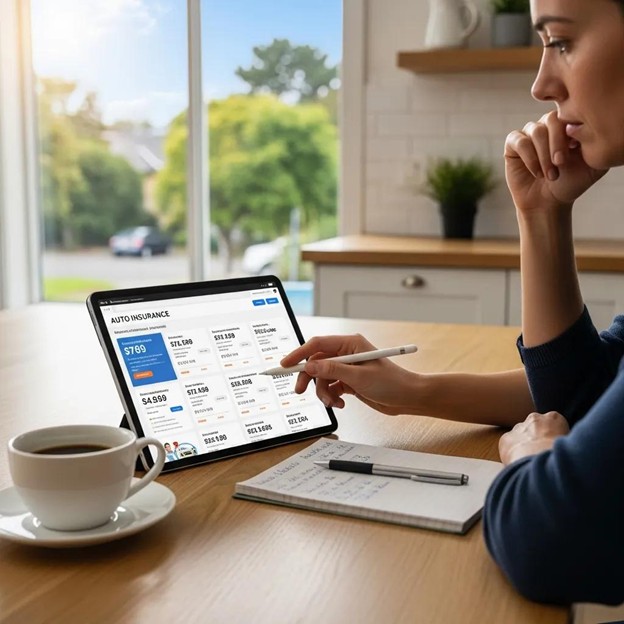
Insurers look at driving history, vehicle type, and where you park and drive. In Los Angeles, average annual premiums are often between $1,500 and $2,000. Areas with higher accident or theft rates can push premiums up, so shopping around and comparing quotes is essential.
Local studies back up how much geography can affect premiums in Los Angeles.
Los Angeles Auto Insurance: Place-Based Risk Factors
Research shows that place-based risks — neighborhood crash and theft patterns — are major drivers of insurance pricing. California’s local differences illustrate how where you live and park your car can change premiums significantly.
Redlining or risk?
A spatial analysis of auto insurance rates in Los Angeles, PM Ong, 2007
How Can You Find Affordable Car Insurance in Los Angeles?
Compare multiple quotes, ask about discounts (safe driving, multi-policy bundles, safety features), and consider a higher deductible if you can afford it. Small changes to coverage and shopping frequently can lower your annual premium without sacrificing necessary protection.
What Are the Financing Costs and Interest Rates for Used Cars in California?
How you finance a car affects monthly payments and the total amount you pay over the loan. Understanding interest and terms helps you pick the best loan for your budget.
How Do Interest Rates Affect Your Total Loan Cost for Used Car Financing?
Interest rates depend on credit score and lender. For borrowers with good credit, rates often fall between about 4% and 7%. Higher rates or longer terms increase the total cost, so compare offers and consider shorter terms if the monthly payment fits your budget.
Historical analyses explain why used car loans generally carry higher interest than new-car loans.
Used Car Loans: Understanding Higher Interest Rates
Studies find interest rates for used-car loans tend to run higher than for new cars — a pattern shaped by lender risk assessments and market factors over time.
The Cost of Financing Automobile Purchases, 1969
What Financing Options Does Brothers Motors Corp Offer for All Credit Types?
Brothers Motors Corp works with borrowers of all credit profiles to find flexible financing. We connect customers with multiple lenders, offer payment plans that fit different budgets, and help find the best available rates so you can plan your monthly payment with confidence.
If you want personalized financing advice or have questions about loans, please contact Brothers Motors Corp — our team will walk you through options and help you build a payment plan that works.
How Does Depreciation Affect the Resale Value and Total Cost of Ownership of Used Cars in LA?
Depreciation is one of the biggest long-term costs of owning a car. Knowing which models hold value helps protect resale and trade-in results down the road.
What Is Vehicle Depreciation and How Does It Impact Your Used Car Investment?
Depreciation is the drop in a car’s market value over time. On average, a vehicle can lose about 15% of its value in the first year and roughly 10% each year after that. That means a $20,000 car might be worth around $17,000 after one year. Keeping depreciation in mind helps you choose cars that make sense for resale plans or long-term ownership.
Which Used Cars Retain Value Better in Los Angeles?
Some brands and models hold value better — Toyota and Honda, for example, are known for reliability and slower depreciation. Research resale data for specific models before you buy to minimize long-term loss when it’s time to sell or trade.
| Purchase Price |
$20,000 |
Initial investment |
| Maintenance |
$800/year |
Ongoing expense |
| Insurance |
$1,800/year |
Annual cost |
| Sales Tax |
$1,900 |
One-time cost |
| Registration |
$150 |
One-time cost |
Laying out these costs side-by-side makes it easier to budget and compare vehicles. When you add maintenance, insurance, taxes, depreciation and financing, you’ll see the real monthly and yearly price of ownership.
Frequently Asked Questions
Why is understanding Total Cost of Ownership (TCO) important when buying a used car?
Knowing TCO helps you see beyond the sticker price to all ongoing and one-time costs — maintenance, insurance, taxes and depreciation. That clarity prevents surprises, helps you pick a car that fits your budget, and makes resale or trade-in planning easier.
How can I estimate my total expenses for owning a used car in Los Angeles?
Add up the purchase price, expected maintenance, insurance, sales tax, registration fees and estimated depreciation. Use online TCO calculators or a simple spreadsheet to project monthly and yearly costs based on your vehicle choice and local rates.
Are there specific maintenance tips to keep costs low for used cars?
Yes. Stick to a maintenance schedule, fix small problems quickly, use trusted mechanics, and consider warranties or service plans that cover major failures. Regular checks of fluids, tires and brakes reduce the chance of expensive repairs later.
What should I know about financing options for used cars in California?
Interest rates vary by credit score and lender. For borrowers with good credit, rates often fall between 4% and 7%. Compare banks, credit unions and dealer financing, and factor total interest into the loan cost when choosing a term.
How can I improve my chances of getting a lower auto insurance rate in Los Angeles?
Keep a clean driving record, shop around frequently, ask about discounts (multi-policy, safe driver, safety features), and consider raising your deductible if you can afford it. Defensive driving courses and bundling policies can also lower premiums.
What are the long-term financial implications of vehicle depreciation?
Depreciation reduces the car’s resale value each year — roughly 15% in year one and about 10% annually after that on average. This affects your net cost if you plan to sell or trade the car, so choose models with better resale when long-term value matters.
Conclusion
Understanding Total Cost of Ownership (TCO) gives you the confidence to buy a used car without surprises. By factoring in maintenance, insurance, taxes, financing and depreciation, you can make a choice that fits both your life and your budget. For help comparing costs or finding financing that works for you, reach out to Brothers Motors Corp — our team is here to guide you through every step.